


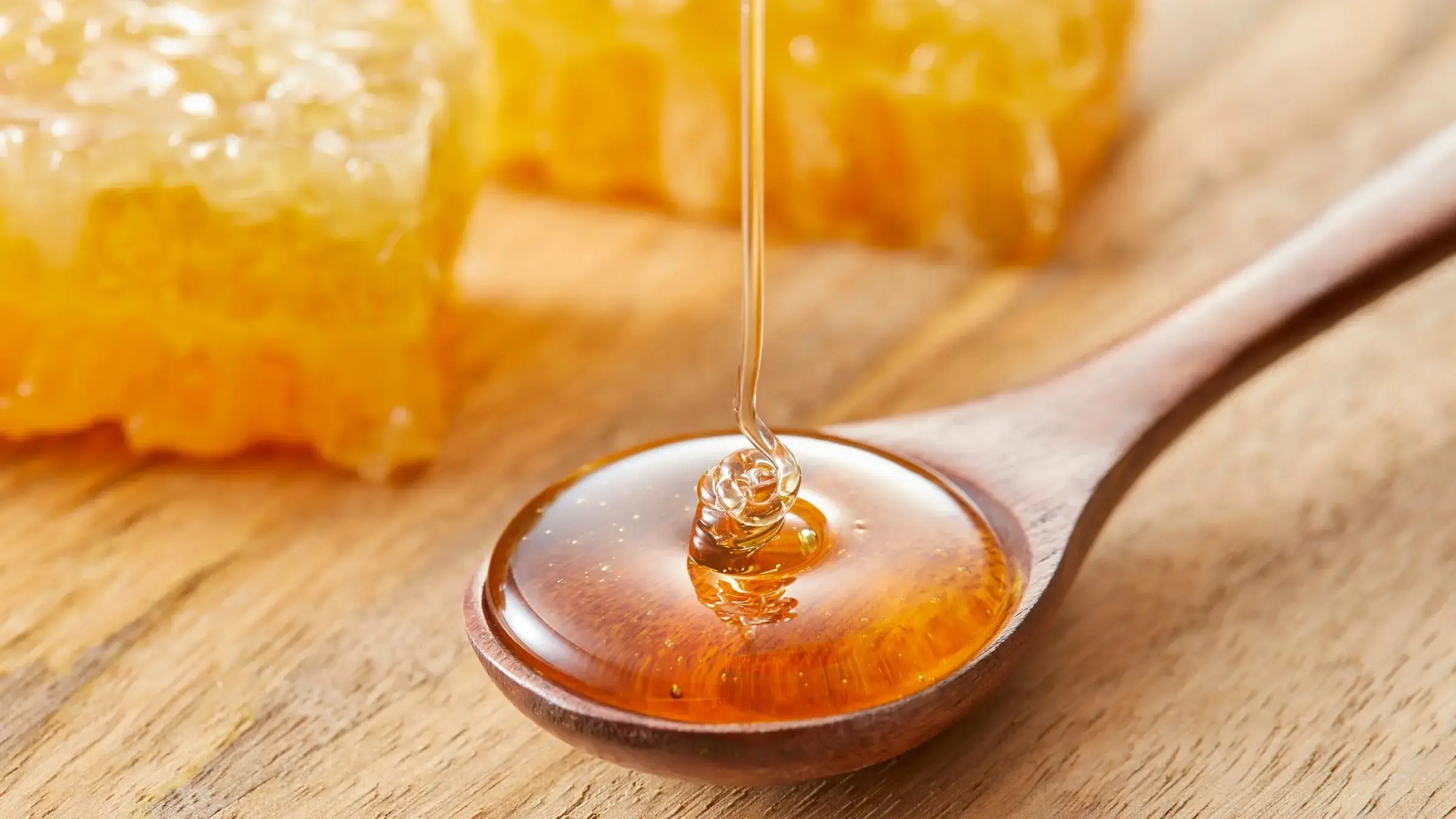
Honey is one of the oldest and most valued natural foods known to humanity. For thousands of years, people have used honey not only as a sweetener but also as a natural remedy for various health conditions. Produced by bees from flower nectar, honey is packed with nutrients, antioxidants, and healing properties that make it highly beneficial for human health and wellbeing.
Today, honey continues to be widely used in homes, medicine, skincare, and nutrition because of its incredible health benefits and versatility.
Table of contents [Show]
What Is Honey?
Honey is a natural sweet substance made by bees using nectar collected from flowers. Bees process the nectar and store it in honeycombs, where it matures into the thick golden liquid we know as honey.
There are different types of honey depending on the flowers used, including:
- Raw honey
- Organic honey
- Manuka honey
- Wildflower honey
- Forest honey
Raw honey is often considered the healthiest because it contains more natural nutrients and enzymes.
Nutritional Value of Honey
Honey contains several important nutrients and natural compounds, including:
- Natural sugars (fructose and glucose)
- Antioxidants
- Amino acids
- Vitamins such as B vitamins and vitamin C
- Minerals including calcium, potassium, magnesium, and iron
- Enzymes and antibacterial compounds
Although honey is sweet, it also provides health-supporting nutrients when consumed in moderation.
Health Benefits of Honey
1. Boosts the Immune System
Honey contains antioxidants and antibacterial properties that help strengthen the immune system. Regular consumption may help the body fight infections and protect against common illnesses such as colds and flu.
Many people use warm water, lemon, and honey as a natural immune-boosting drink.
2. Soothes Cough and Sore Throat
Honey is widely known as a natural remedy for coughs and sore throats. It coats the throat, reduces irritation, and helps calm coughing.
Studies have shown that honey can be as effective as some over-the-counter cough syrups, especially for children over one year old.
3. Provides Natural Energy
Honey is a natural source of carbohydrates, making it an excellent energy booster. Athletes and active individuals often use honey before or after exercise to improve stamina and recovery.
Unlike processed sugar, honey provides energy along with beneficial nutrients and antioxidants.
4. Supports Heart Health
The antioxidants in honey may help improve heart health by reducing inflammation and lowering the risk of heart disease. Honey may also help reduce bad cholesterol levels while supporting healthy blood circulation.
Replacing refined sugar with honey in moderation can be a healthier option for the heart.
5. Helps with Digestion
Honey supports digestive health by promoting the growth of healthy bacteria in the gut. It may help relieve indigestion, bloating, and stomach discomfort.
Some people also use honey as a natural remedy for ulcers and digestive irritation.
6. Promotes Wound Healing
Honey has powerful antibacterial and anti-inflammatory properties that make it useful for wound care. It has been used for centuries to help heal burns, cuts, and minor skin infections.
Medical-grade honey is sometimes used in hospitals to support wound healing.
7. Improves Skin Health
Honey is commonly used in skincare because it moisturizes the skin and helps fight acne-causing bacteria. It can help soothe dry skin, reduce inflammation, and give the skin a healthy glow.
Many natural beauty products contain honey because of its nourishing properties.
8. Rich in Antioxidants
Honey contains antioxidants that protect the body from damage caused by harmful free radicals. These antioxidants may help reduce the risk of chronic diseases and slow down aging.
Darker honey varieties often contain higher levels of antioxidants.
How Helpful Is Honey to Human Wellbeing?
Honey contributes to overall wellbeing in many ways. It provides natural energy, supports immunity, improves skin health, and may help reduce reliance on processed sugar.
Its versatility also makes it easy to include in daily life. Honey can be used in:
- Tea and warm drinks
- Smoothies
- Bread and pastries
- Salad dressings
- Skincare remedies
- Natural home treatments
Because it serves both nutritional and medicinal purposes, honey remains one of nature’s most valuable foods.
Best Ways to Use Honey
To enjoy the maximum benefits of honey:
- Use raw or natural honey whenever possible
- Add honey to warm water or tea
- Use honey as a natural sweetener instead of refined sugar
- Combine honey with lemon and ginger for immunity support
- Apply honey carefully in homemade face masks
However, avoid heating honey excessively, as high temperatures may reduce some of its beneficial properties.
Important Precautions
Although honey is healthy, it should be consumed in moderation because it still contains sugar and calories.
Also:
- Do not give honey to babies under one year old due to the risk of infant botulism
- People with diabetes should monitor their intake carefully
- Choose pure honey to avoid artificial additives
Conclusion
Honey is truly one of nature’s greatest gifts to humanity. Its nutritional value, healing properties, and natural sweetness make it a powerful food for improving health and wellbeing.
From boosting immunity and soothing sore throats to supporting heart health and skincare, honey offers numerous benefits that can enhance everyday life naturally.
Including honey as part of a balanced diet and healthy lifestyle can help promote wellness, energy, and long-term health. Sometimes, the sweetest solutions for better health come directly from nature.