


The Dangerous Risks of Consuming Half-Rotten Tomatoes {Èsà}
Tomatoes are among the most widely consumed vegetables in the world. They are rich in vitamins, antioxidants, and nutrients that support good health. Fresh tomatoes are commonly used in soups, salads, sauces, and many delicious meals.
However, tomatoes can become harmful when they start to rot. Consuming rotten tomatoes may expose the body to bacteria, mold, and toxins that can cause serious health problems.
Many people ignore signs of spoilage and continue using tomatoes after removing only the visibly damaged part. Unfortunately, rotten tomatoes may still contain harmful microorganisms that can affect human health and wellbeing.
Understanding the dangers of eating rotten tomatoes is important for maintaining food safety and protecting your body from illness.
Table of contents [Show]
What Causes Tomatoes to Rot?
Tomatoes can rot due to several factors, including:
- Poor storage conditions
- Excess moisture
- Heat exposure
- Physical damage
- Long storage periods
- Mold and bacterial growth
Once tomatoes begin to spoil, harmful microorganisms can quickly spread throughout the fruit.
Signs of Rotten Tomatoes
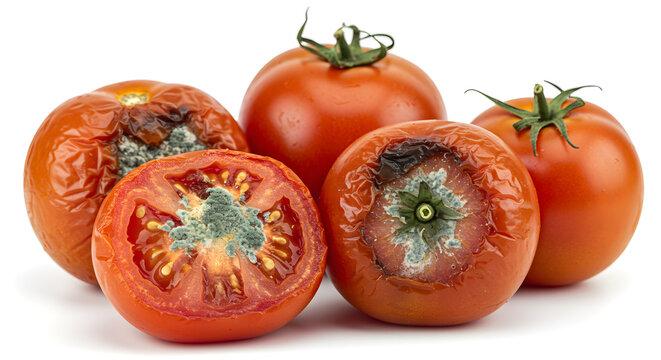
Before consuming tomatoes, it is important to check for signs of spoilage. Rotten tomatoes may show the following symptoms:
- Soft or mushy texture
- Bad or sour smell
- Mold growth
- Dark or black spots
- Wrinkled skin
- Leaking liquid
- Slimy surface
If a tomato shows these signs, it may no longer be safe to eat.
Health Risks of Consuming Rotten Tomatoes
1. Food Poisoning
One of the most common dangers of eating rotten tomatoes is food poisoning. Harmful bacteria such as Salmonella and other microorganisms may grow on spoiled tomatoes.
Symptoms of food poisoning may include:
- Nausea
- Vomiting
- Diarrhea
- Stomach cramps
- Fever
- Weakness
These symptoms can appear within hours after consumption.
2. Exposure to Mold and Toxins
Rotten tomatoes often develop mold, which can produce harmful substances called mycotoxins. These toxins may negatively affect the body, especially when consumed regularly.
Some molds may also trigger allergic reactions and respiratory issues.
3. Digestive Problems
Spoiled tomatoes can irritate the digestive system and lead to:
- Bloating
- Indigestion
- Gas
- Stomach discomfort
People with sensitive stomachs may experience more severe digestive reactions.
4. Increased Risk of Infections
Rotten tomatoes may carry bacteria and fungi that increase the risk of infections, particularly in:
- Children
- Elderly people
- Pregnant women
- Individuals with weakened immune systems
Consuming contaminated foods can be especially dangerous for vulnerable individuals.
5. Allergic Reactions
Moldy or spoiled tomatoes may trigger allergic reactions in some people. Possible symptoms include:
- Skin irritation
- Sneezing
- Coughing
- Itchy throat
- Breathing difficulties
People who are sensitive to mold should avoid spoiled foods completely.
6. Loss of Nutritional Value
Fresh tomatoes are rich in vitamin C, potassium, lycopene, and antioxidants. However, once tomatoes begin to rot, they lose much of their nutritional quality.
Instead of benefiting the body, rotten tomatoes may become harmful to health.
Can You Cut Off the Rotten Part and Still Eat the Rest?
Many people believe that removing the spoiled section makes the remaining tomato safe to consume. Unfortunately, this is not always true.
Because tomatoes are soft foods, bacteria and mold can spread beneath the surface even when not visible. Harmful microorganisms may already contaminate the entire tomato.
For safety reasons, badly spoiled or moldy tomatoes should be discarded completely.
How to Store Tomatoes Properly
Proper storage can help keep tomatoes fresh and safe for consumption.
Helpful Storage Tips:
- Store tomatoes in a cool, dry place
- Avoid excess moisture
- Keep damaged tomatoes separate
- Refrigerate overripe tomatoes if necessary
- Wash tomatoes only before use
- Check stored tomatoes regularly
Proper handling reduces the risk of spoilage and contamination.
When Should You Throw Tomatoes Away?
You should discard tomatoes immediately if they:
- Smell sour or rotten
- Feel slimy or mushy
- Have visible mold
- Leak liquid
- Show extensive dark spots
When unsure, it is safer not to eat the tomato.
How to Protect Yourself from Foodborne Illness
To reduce the risk of illness from spoiled foods:
- Always inspect fruits and vegetables before use
- Store food properly
- Wash produce thoroughly
- Avoid eating moldy or rotten foods
- Keep kitchen surfaces clean
Food safety is an important part of maintaining good health and wellbeing.
Conclusion
Tomatoes are highly nutritious and beneficial when fresh, but rotten tomatoes can pose serious health risks. Eating spoiled tomatoes may lead to food poisoning, digestive problems, allergic reactions, and exposure to harmful bacteria and toxins.
To protect your health, always check tomatoes carefully before consuming them and avoid using any tomatoes that show signs of spoilage.
Remember, eating fresh and safe food is one of the most important steps toward maintaining a healthy lifestyle and preventing illness